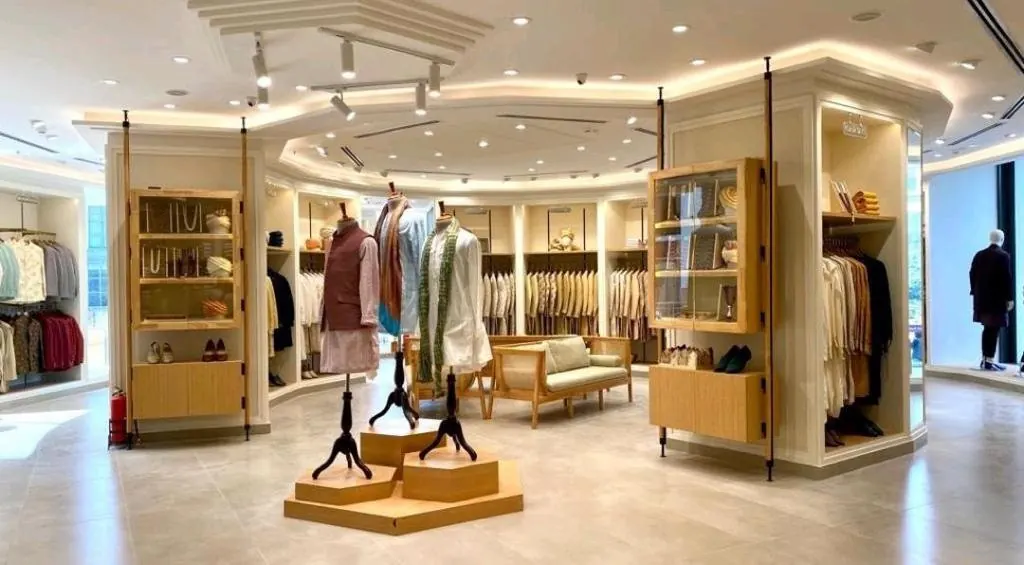
“Turnkey” promises a store ready to trade, but the word means different things in different contracts. Before you appoint a turnkey retail fit-out contractor, be clear about what the contractor delivers, what the brand supplies and what the landlord provides. This guide sets out a typical split and the questions to settle before work starts.
Define what turnkey means for your store
A turnkey arrangement brings the agreed fit-out work under one delivery scope and one accountable contractor. It does not automatically include every operational requirement. The contract and bill of quantities should state exactly what is included and what is excluded.
Typically included in a turnkey retail fit-out
- Site survey and construction drawings developed from the approved design
- Civil and dry-wall work: partitions, trial rooms, stockrooms
- Flooring, ceilings, wall finishes and painting
- Electrical distribution, lighting installation and data cabling routes
- HVAC, fire detection and sprinkler modifications to suit the layout
- Shopfittings and display fixtures, manufactured and installed
- Shopfront and facade works where agreed
- Site supervision, safety, cleaning, snagging and handover documents
Often supplied by the brand
- Concept design and brand manual, if not part of the contract
- Point-of-sale hardware, IT equipment and security systems
- Mannequins, props and visual merchandising elements
- Digital screens and content
- Stock and merchandising
Usually provided by the landlord or mall
- The shell or warm shell as defined in the lease
- Base-building HVAC, fire and electrical supply up to the tenant’s point of connection
- Fit-out manual, approvals and inspections
Grey areas, such as signage, specialist lighting, AC units or facade glazing, cause the most disputes. List them by name and assign each one.
Resolve approvals and dependencies
Final dimensions, drawings, material samples and commercial approvals influence the programme. Agree who signs off each item and when the site will be ready for the next stage. For mall stores, decide who prepares and tracks the landlord submissions; our mall fit-out guide explains the typical steps.
Why fixtures belong inside the turnkey scope
When fixtures are bought separately, the interface between site work and fixture installation becomes the client’s problem: power points in the wrong place, walls not ready, fixtures that do not fit. Keeping shopfittings with the fit-out contractor puts that interface with one accountable team. PID Projects manufactures its shopfittings at its own New Delhi workshop.
Prepare for opening
Plan the snag review and handover alongside merchandising, staff training and stock delivery. Leave a buffer between handover and opening for cleaning, visual merchandising and any final mall inspection.
Responsibility checklist
- Design drawings: brand, designer or contractor?
- Mall and landlord approvals: who submits and tracks?
- Signage: design, manufacture, permission and installation
- HVAC and fire modifications: contractor or mall-nominated vendor?
- IT, POS and security: supply, cabling and installation
- Loose furniture and props
- Final cleaning and opening support
Frequently asked questions
Is turnkey suitable for a single store?
Yes. A single flagship or boutique benefits from one accountable team as much as a rollout does, especially when the opening date is fixed.
How is turnkey different from design and build?
Design and build includes the concept design. Turnkey retail fit-outs often start from a brand’s existing design or store manual. See what a turnkey interior fit-out covers.
PID Projects delivers retail fit-outs and shopfittings across India from New Delhi. Explore our retail fit-out services and the Blackberrys and Innisfree rollouts.