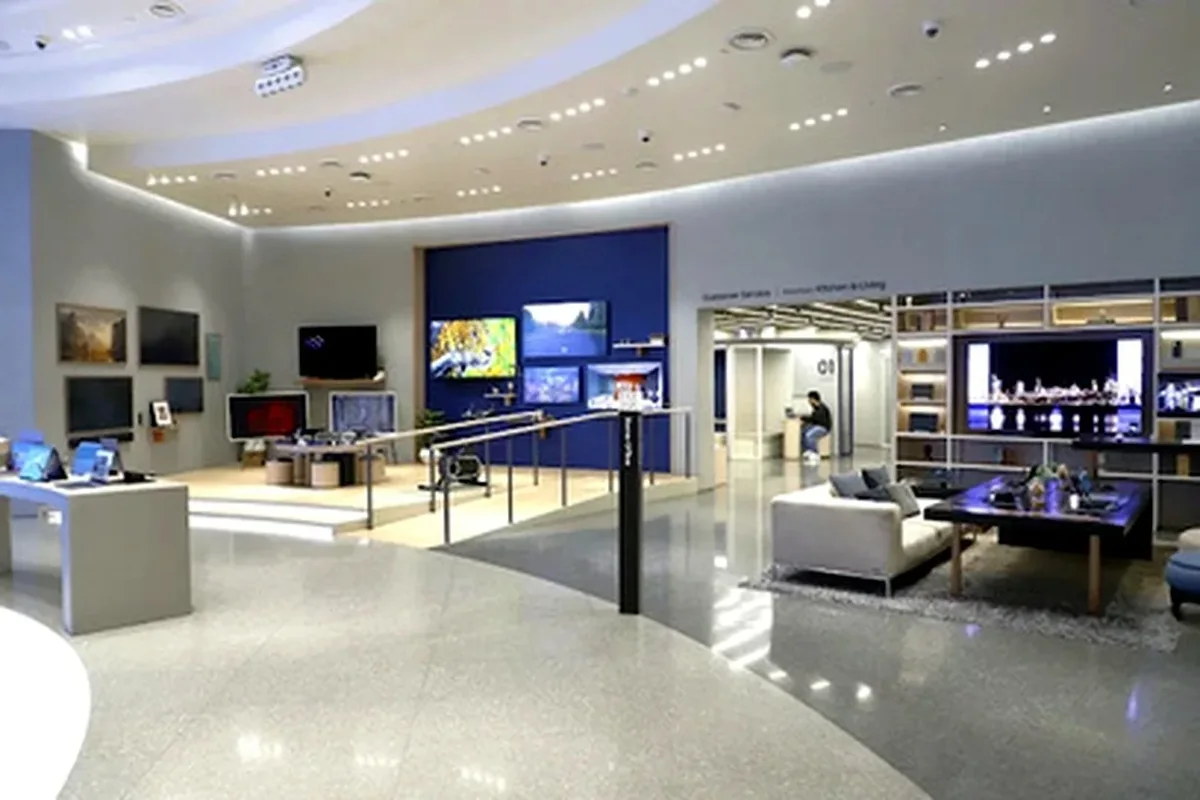
Custom shopfittings connect a retail concept to the products that customers handle every day. The fabrication brief needs to describe more than the visible shape. It must explain loads, finishes, hardware, power interfaces, assembly and maintenance. This guide covers the information to agree before manufacturing retail fixtures, whether the order is for one showroom or a repeat store programme.
Give every fixture a clear identity
Create a fixture schedule with a unique code for each type and variant. Use the same code in the floor plan, elevations, production drawings, bill of quantities and packing list. A display table with a different finish or power provision should be identifiable as a variant, even if it looks similar in a presentation image.
Record the intended merchandise and how the brand expects to replenish or rearrange it. Adjustable shelving, concealed storage and movable displays need different detailing from a fixed showcase. The visual merchandising team should confirm these practical requirements before the drawing package is frozen. Otherwise, a beautifully made unit can still be awkward to use.
Verify dimensions and site interfaces
Separate dimensions that come from the brand standard from dimensions that must be checked on site. Wall runs, alcoves, columns and floor levels can affect fitted pieces. Record tolerances and installation allowances in the coordinated drawings rather than expecting installers to resolve every difference by cutting finished work.
Confirm the route from vehicle to final position. Check whether units need to be split for transport or assembled inside the store. Plan connections so the installer can reach them and the finished piece remains maintainable. A manufacturing detail should account for how the item is installed, not only how it appears when fully assembled.
Turn the design into a production drawing
Ask for drawings that show construction, materials, junctions, edge details, hardware and fixing methods. Include sections through important interfaces. Where a fixture contains lighting or equipment, coordinate the relevant supplier’s dimensions, ventilation needs and access requirements with the appointed specialists. Avoid leaving those interfaces as vague notes for the site team.
Keep design approval and manufacturing coordination connected. The designer should be able to see where a proposed fabrication detail affects the intended appearance. The manufacturer should receive one coordinated revision after comments are resolved. Issuing separate annotated PDFs from several reviewers without a consolidated instruction creates unnecessary ambiguity.
Approve materials through physical samples
A screen image is a weak basis for judging texture, sheen and colour relationships. Review representative samples under lighting appropriate to the intended space. Label each approved sample with the material, finish reference, supplier where relevant and approval date. Retain a control sample so factory and site reviews have a shared reference.
Specify which surfaces are visible and which receive a different finish. Review edges and junctions as well as broad faces, particularly where materials meet. For natural materials, discuss acceptable variation instead of expecting every piece to match one small sample exactly. Material suitability and required performance documentation should be reviewed by the responsible design or technical team.
Use prototypes to answer defined questions
Choose a prototype when the team needs to test something that drawings and small samples cannot resolve. Examples include a new display mechanism, a complex assembly, a repeated counter module or the relationship between customer access and concealed equipment. Write the review questions before making the prototype so approval is more specific than “looks good.”
Test operation with representative products and the intended hardware. Check access for cleaning, adjustment and replacement. Record changes in the production drawings, then confirm whether a revised prototype or detail review is necessary. Do not allow an approved prototype and an outdated drawing to remain competing instructions for batch production.
Set inspection points before batch release
Agree what the factory will check and what requires client or designer review. Useful stages may include first-off assembly, finish approval and pre-dispatch inspection, depending on the package. Define the records to be retained and how nonconforming items will be corrected. Inspection should be proportionate to the complexity and repetition of the fixtures.
For a rollout, separate the standard fixture specification from the store-specific quantity and dimensions. Track approved variations so an adjustment for one location does not accidentally become the new brand standard. Review any proposed substitution before it enters the next batch. Consistency depends on version control as much as on fabrication skill.
Plan packaging, installation and care
Specify protection for vulnerable edges, glass, polished surfaces and fitted accessories. Label packages with the fixture code and destination, and include assembly information where needed. Agree how missing or damaged components will be reported. Consider when the store can receive the pieces without exposing finished work to ongoing dusty or wet activities.
At handover, provide the agreed cleaning instructions, hardware references and maintenance information. Identify replaceable parts and any spare components included in the order. Ask the retail team to report early operational issues through a defined contact, so lessons can inform subsequent batches. A fixture programme should support the store through use, not end at dispatch.
Continue planning
Explore our guide to retail fixture types, shopfitting services and workshop. For a manufacturing enquiry, send the fixture schedule, drawings and required locations, identifying which details are approved and which remain in development.