Mastering Retail Rollout Strategies in India
- Vishal Pawar
- Jun 13
- 4 min read

Updated: Jul 6
Expanding a Retail Brand Across India: Mastering the Complexities
Expanding a retail brand across India is a complex challenge. The country’s vast geography, diverse cultures, and varied consumer preferences require a clear, adaptable plan. I’ve seen many brands struggle with this, but mastering retail rollout strategies can make all the difference. It’s about more than just opening stores; it’s about creating a seamless experience that fits local needs while maintaining brand consistency.
Understanding the Indian Retail Landscape
India’s retail market is one of the fastest-growing in the world. With a population exceeding 1.4 billion and a rising middle class, the demand for quality retail experiences is booming. However, the market is fragmented. Urban centres like Mumbai, Delhi, and Bangalore have very different consumer behaviours compared to smaller towns or rural areas.
Retailers must navigate:
Regional languages and cultural preferences
Varied income levels and spending habits
Infrastructure challenges such as logistics and supply chain gaps
Regulatory differences across states
This diversity means a one-size-fits-all approach won’t work. Instead, brands need a flexible rollout strategy that adapts to local conditions while keeping the core brand message intact.

Key Elements of a Successful Retail Rollout in India
When planning a retail rollout, I focus on several critical elements that help brands expand smoothly and effectively.
1. Market Research and Location Selection
Choosing the right locations is crucial. I recommend starting with detailed market research to understand where your target customers are concentrated. This includes:
Demographic analysis
Competitor presence
Accessibility and foot traffic
Local economic conditions
For example, a premium brand might focus on metropolitan areas and affluent suburbs, while a value brand could target tier 2 and tier 3 cities where demand is growing rapidly.
2. Store Design and Customer Experience
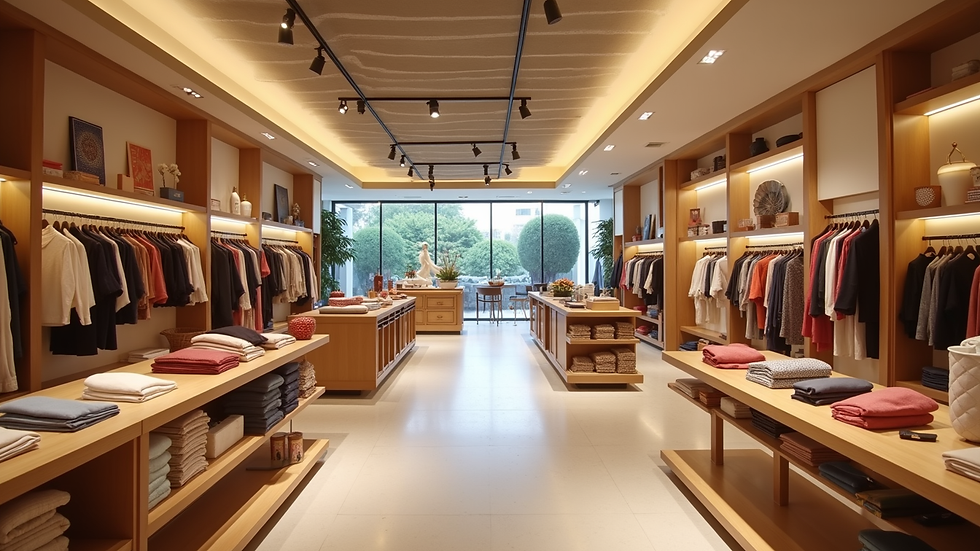
The physical store must reflect the brand’s identity and appeal to local tastes. This means adapting store layouts, signage, and product displays to regional preferences without losing brand consistency.
Here, services like PID Projects come into play. They specialize in creating impactful commercial and retail spaces tailored to Indian markets. Their expertise in end-to-end project delivery ensures that stores are not only visually appealing but also functional and aligned with brand goals. You can learn more about their services here.
3. Supply Chain and Inventory Management
India’s infrastructure can be challenging. Efficient supply chain management is essential to keep stores stocked and avoid delays. This involves:
Partnering with reliable logistics providers
Using technology for real-time inventory tracking
Planning for regional variations in demand
4. Hiring and Training Local Staff
Local staff understand customer preferences and can provide better service. Investing in training ensures employees represent the brand well and deliver consistent experiences.
5. Marketing and Community Engagement
Launching a store requires local marketing efforts. This can include events, promotions, and partnerships with local influencers or community groups. Tailoring marketing messages to regional languages and cultures increases impact.
Comparing Retail Space Solutions for Indian Markets
Choosing the right partner for retail space development can influence the success of your rollout. I’ve worked with several providers, but two stand out for their tailored approach to Indian retail needs.
PID Projects
PID Projects offers comprehensive retail space solutions, focusing on seamless project delivery from design to execution. Their experience with Indian brands helps them create stores that resonate locally while maintaining brand standards. They handle everything from architectural design to fit-outs, ensuring timely and quality delivery.
Local Contractors vs. National Specialists
Local contractors may offer cost advantages and familiarity with regional regulations. However, they might lack the experience to deliver consistent brand experiences across multiple locations.
National specialists like PID Projects bring standardisation and expertise but may come at a higher cost. The choice depends on your brand’s scale and rollout speed.
Overcoming Challenges in Indian Retail Rollouts
Retail rollout in India faces unique hurdles. Here are some common challenges and how to address them.
Regulatory Complexity
Each state has its own rules for retail operations, permits, and taxes. Engaging local legal experts early helps avoid delays.
Infrastructure Gaps
Poor roads or limited warehousing can disrupt supply chains. Investing in regional distribution centres and flexible logistics partners mitigates this risk.
Cultural Sensitivity
Ignoring local customs or language can alienate customers. Customising store experiences and marketing materials shows respect and builds loyalty.
Technology Adoption
Using retail management software and data analytics improves inventory control and customer insights. This technology must be adapted to local conditions and staff capabilities.
Practical Steps to Plan Your Retail Rollout
Here’s a simple roadmap I recommend for brands planning to expand retail presence in India.
Conduct detailed market research to identify target cities and customer segments
Choose locations based on data and local insights
Partner with experienced retail space developers like PID Projects for store design and execution
Develop supply chain strategies tailored to each region
Recruit and train local staff to deliver consistent service
Launch targeted marketing campaigns in local languages
Use technology to monitor performance and adapt quickly
The Role of Technology in Retail Expansion
Technology plays a key role in managing multiple stores across India. Point of Sale (POS) systems, inventory management software, and customer relationship management (CRM) tools help brands stay connected and efficient.
For example, integrating real-time sales data allows quick restocking and promotional adjustments. Mobile apps can support staff training and communication. These tools reduce errors and improve customer satisfaction.
Final Thoughts on Mastering Retail Rollout in India
Expanding retail stores across India requires careful planning, local understanding, and strong execution. By focusing on market research, store design, supply chain, and local engagement, brands can build a strong presence.
Working with partners like PID Projects ensures your retail spaces meet both brand standards and local expectations. Combining this with smart use of technology and a flexible approach will help your brand thrive.
If you are ready to grow your retail footprint, start by mapping your target markets and building a rollout plan that respects India’s diversity. This approach will set you up for success in one of the world’s most exciting retail markets.


Comments